Why Autumn Is the Best Time to Start Working with a Japanese Matcha Supplier
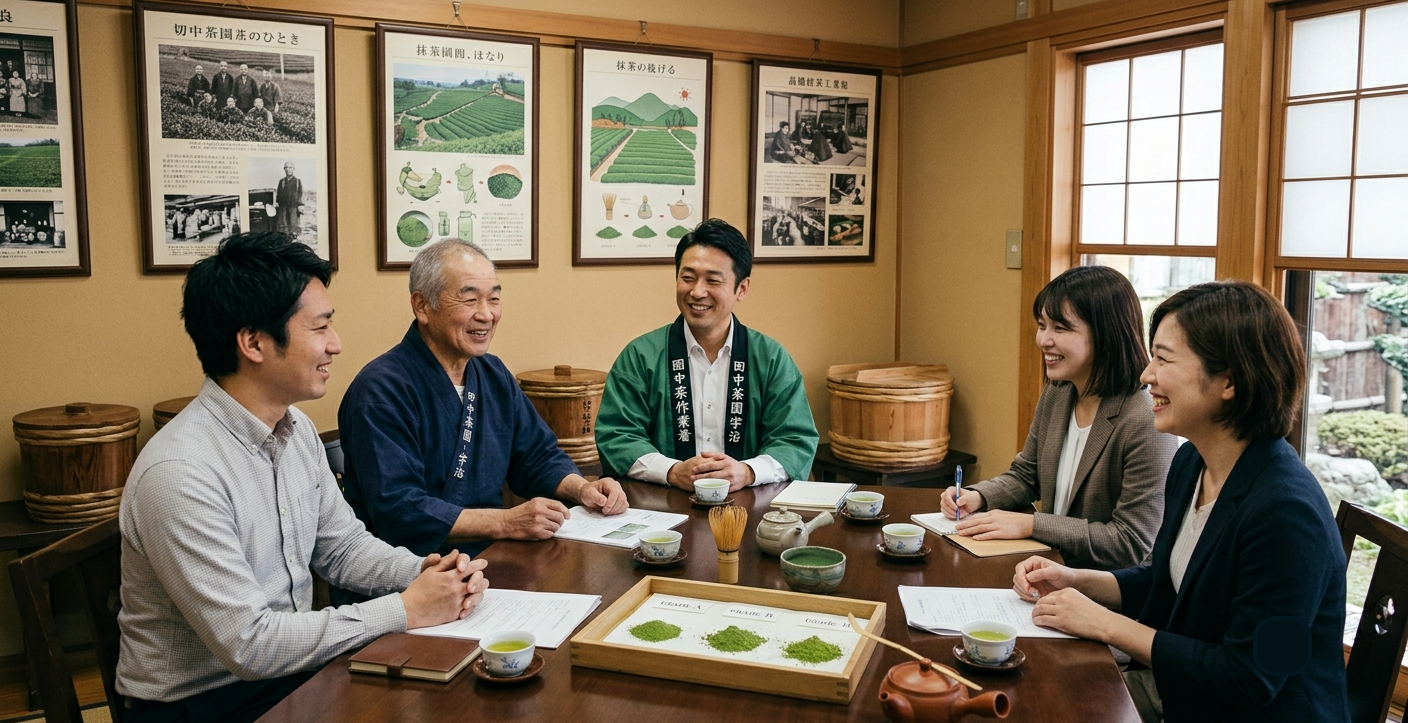
Many overseas buyers begin searching for Japanese matcha suppliers in spring. However, by the time they start, many tea producers are already focused on existing customers and the new harvest. The best time to build relationships is actually months earlier.
Many Buyers Start Too Late
Many overseas buyers begin looking for a Japanese matcha supplier in spring, when the new harvest season starts. At first glance, this seems like the perfect time. Fresh matcha is becoming available, and demand for high-quality Japanese matcha is growing around the world.
However, spring is also the busiest season for Japanese tea producers.
During this period, tea farms and manufacturers are focused on harvesting, processing fresh tea leaves, producing matcha, fulfilling existing orders, and preparing shipments. Their schedules are often fully booked, leaving little time to build relationships with new buyers or arrange multiple rounds of product sampling.
By the time many overseas buyers begin their search, the producers they hope to work with may already be committed to existing customers or have limited availability for new business.
If you want the best chance of finding the right supplier and securing the matcha that fits your business, the process should begin long before the new harvest season arrives.
If you're unfamiliar with Japan's tea harvesting season and what "shincha" means, you may also enjoy our article, What Is Shincha? Understanding Japan's New Tea Harvest, before continuing.
Building Trust Takes Time
Comparing multiple matcha samples is an important step in finding the right product for your busines Finding the right matcha often requires several rounds of tasting, comparison, and discussion.
In Japan, business relationships are rarely built overnight—and the tea industry is no exception.
When a Japanese tea producer begins working with a new overseas customer, they are not only evaluating the size of the order. They are also looking at how smoothly the business relationship develops. Clear communication, reliable payments, timely responses, and proper import documentation all help build confidence on both sides.
This is one of the reasons many experienced buyers don't wait until spring to begin working with a supplier. Instead, they start by requesting samples, comparing different matcha varieties, and gradually getting to know the producer before making larger purchasing decisions.
Finding the right matcha often takes time. One sample may have excellent color but not the flavor profile you're looking for. Another may work perfectly for lattes but not for traditional tea preparation. It's common for buyers to evaluate several samples—and sometimes even products from different tea producers—before finding the matcha that truly fits their business.
In our experience, many overseas buyers spend several months comparing matcha from different producers before making a final decision. This careful process not only helps them choose the right product, but also builds a stronger long-term partnership with the producer.
By the time the next harvest season arrives, both the buyer and the producer already have confidence in working together. That makes communication smoother, decision-making faster, and future orders much easier to manage.
How Successful Buyers Choose a Japanese Matcha Supplier
The most successful matcha sourcing projects rarely begin during the harvest season. Instead, they begin months earlier with research, communication, and careful product evaluation.
A typical timeline often looks like this:

🍂 Autumn
Start contacting Japanese tea producers or sourcing partners.
Discuss your business goals, target market, and expected product specifications.
Request your first round of matcha samples.
❄️ Autumn to Winter
Compare different matcha varieties and producers.
Share feedback on flavor, color, aroma, and intended use.
If needed, request additional samples until you find the right matcha.
🌸 Winter to Early Spring
Finalize the matcha that best suits your business.
Place a small commercial order before the new harvest season.
Build a purchase history and establish a reliable working relationship.
🌱 New Harvest Season
Receive samples made from the newest harvest.
Because communication and trust have already been established, it's much easier to evaluate the new crop and move forward with larger orders if the quality meets your expectations.
This approach takes more time than waiting until spring—but it often leads to better decisions, smoother communication, and a more stable supply in the long run.
💡 A Small Order Can Make a Big Difference
Placing a small commercial order before the next harvest isn't only about buying matcha. It also gives both you and the producer an opportunity to experience working together—from communication and payment to shipping and import procedures. By the time the new harvest arrives, both sides already know what to expect.
Why Existing Customers Often Get Priority
One question we occasionally hear from overseas buyers is:
"Why do long-term customers seem to receive priority when new harvest matcha becomes available?"
The answer is simple: high-quality matcha is produced in limited quantities.
This is especially true for premium grades, stone-ground matcha, organic matcha, and products that meet strict export requirements such as EU standards. Production capacity is limited, while global demand continues to grow. Global demand for Japanese matcha has increased significantly in recent years, putting additional pressure on supply and production capacity. If you'd like to learn more about the market behind this trend, read our article, Why Matcha Prices Are Rising.
Why Producers Need Planning
For tea producers, planning ahead is essential. They already know the purchasing patterns of their long-term customers—how much they usually order, when they place orders, and which grades they need. This allows producers to plan production more accurately and maintain stable supply.
This doesn't mean new customers are unwelcome. In fact, many successful partnerships begin with first-time buyers every year.
However, buyers who have already established a purchasing history, communicated regularly, and demonstrated that they are reliable business partners are naturally easier to plan for when supply is limited.
Why Autumn Gives Buyers an Advantage
This is why starting the relationship in autumn can make such a difference. By the time the new harvest arrives, you're no longer just making an inquiry—you've already begun building a business relationship. Starting early isn't about securing special treatment—it's about giving yourself enough time to build confidence, evaluate products carefully, and become a trusted business partner before the busiest season begins.
Who Should Start Planning in Autumn?
This approach can benefit many types of businesses, including:
Cafés planning seasonal drink menus
Retail brands launching their own matcha products
Bakeries and food manufacturers developing matcha recipes
Importers and distributors looking for reliable long-term suppliers
New businesses entering the matcha market for the first time
Whether you're planning to purchase 20 kg or several hundred kilograms per year, building relationships early gives you more time to compare options and prepare for a successful launch.
Final Thoughts
Choosing the right Japanese matcha supplier isn't simply about finding the best price or the highest grade. It's about finding the right partner for your business and giving yourself enough time to make informed decisions.
Starting the process in autumn allows you to compare different matcha varieties, communicate with producers, evaluate samples carefully, and build confidence before the busy harvest season begins.
The businesses that enjoy the smoothest purchasing experience in spring are often the ones that started preparing months earlier.
If you're planning to source Japanese matcha next season, autumn is the perfect time to begin.
To better understand why early planning has become increasingly important, you may also enjoy our article, Why Matcha Prices Are Rising, which explains the current supply and demand challenges facing the Japanese matcha industry.
Planning for Next Season?
Whether you're opening a café, expanding your product line, or looking for a reliable long-term supplier, we're happy to help you explore different Japanese tea producers and compare matcha samples that match your business needs.
Every business is different, and finding the right matcha often takes time.
We're here to make that process easier.
Contact us to start planning for next season.


コメント